By China Watch |
China Watch |
Updated: 2018-06-26 13:09
On June 12, 2018, representatives from The Conference Board visited the China Center for International Economics Exchanges (CCIEE) and discussed the Sino-US trade disputes with Chen Wenling, chief economist of CCIEE.
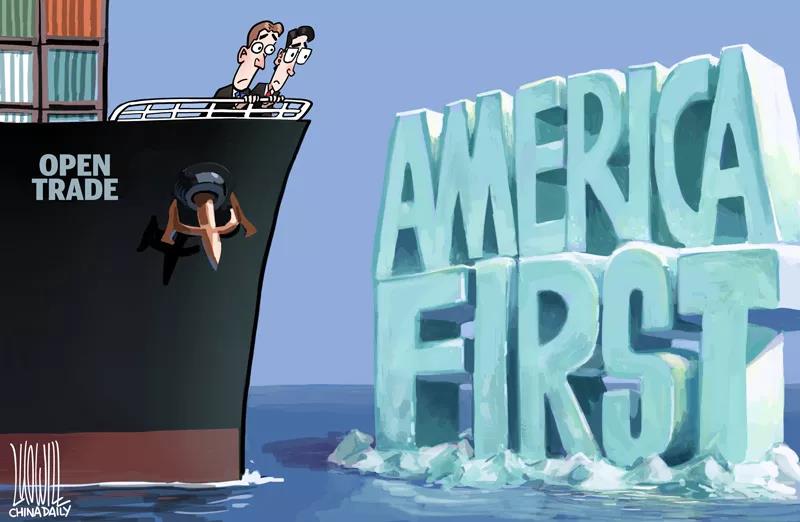
Luo Jie/China Daily
The US visitors believed that confrontation between China and the US is inevitable. US President Donald Trump believes that the trade setup between China and the US is unfair and China is more dependent on the US market, so the US will prevail over China during the confrontation. Therefore, if the US launches aggressive trade sanctions on China, China will be more likely to concede, according to this assumption.
In addition, many media confuse the Sino-US trade war with the two countries' competition in science and technology sector. In fact, imposing high tariffs in trade wars is very likely to be a short-term strategy and may not survive the Trump administration, but the competition in science and technology is a long-term issue. In the US, the two parties are not supportive of establishing tariffs to prevent China's imports. However, there are many that support the restrictions on science and technology exports.
Representatives of The Conference Board said it is difficult for China and the US to seek common ground at the negotiating table. China has proposed to further open up the financial market and the auto market, which appears to be a concession. It is in fact consistent with China’s reform and transformation trends but is not what the Trump administration hopes to see.
Trump wants US companies to leave China and return to the US. On the other hand, Trump is committed to reversing the trade deficit. China agreed to purchase more goods from the US. At the same time, Trump wants the US to buy fewer Chinese goods, which is not what the Chinese leadership wants to see.
Chen Wenling, chief economist of CCIEE, made the following observations:
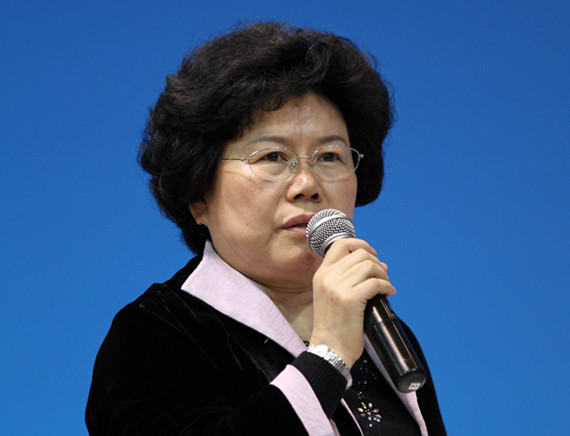
Chen Wenling, file photo. [photo: VCG]
Trump now is in a swamp. If he doesn't get out of the swamp, the US will be isolated. Trump’s attitude in dealing with international trade is not supported by any other countries. All are opposed to US unilateralism. The US is now placing national interests above the global interest, damaging its international prestige and weakening its influence. The US has withdrawn from international organizations and agreements, showing its disregard for the international order. Trump’s current economic measures have helped the US economy recover, but he built a country’s prosperity on the basis of damaging the interests of others and will eventually be resisted by other countries.
If the two countries deepen cooperation, they will give strong impetus to the world and benefit the US as well. China and the US, in combination, account for 40 percent of the world's total GDP, nearly 40 percent of the world's total manufacturing outputs, and about 25 percent of the world's total trade volumes. And the two countries' population is a fourth of the world's total. If the two countries that account for such a large proportion of the world can cooperate, the entire world will change. The cooperation between the two countries will promote the recovery of the world economy and the sustainable development of the world. It will also solve international trade problems.
There is still a big gap between China and the US in science and technology development. China is still in the process of learning and catching up with the US regarding core technologies. The US has restricted the export of high-tech products to China and restricted Chinese people from studying in the US. I think this is a very stupid practice. If the US can open up exports of high-tech products, US trade deficit may turn to a surplus. Now the US restriction has motivated China to catch up.
After China entered the WTO, China has abolished more than 200,000 laws and regulations and created more than 2,000 laws and regulations to adapt to the requirements of the WTO. We have opened 102 industries in accordance with the WTO's commitments, and in March this year we made a commitment to further expand our opening up. Therefore, I think that although China still has many areas for improvement, the direction it is moving towards is in line with the trend of the times..
On June 12, 2018, representatives from The Conference Board visited the China Center for International Economics Exchanges (CCIEE) and discussed the Sino-US trade disputes with Chen Wenling, chief economist of CCIEE.
Luo Jie/China Daily
The US visitors believed that confrontation between China and the US is inevitable. US President Donald Trump believes that the trade setup between China and the US is unfair and China is more dependent on the US market, so the US will prevail over China during the confrontation. Therefore, if the US launches aggressive trade sanctions on China, China will be more likely to concede, according to this assumption.
In addition, many media confuse the Sino-US trade war with the two countries' competition in science and technology sector. In fact, imposing high tariffs in trade wars is very likely to be a short-term strategy and may not survive the Trump administration, but the competition in science and technology is a long-term issue. In the US, the two parties are not supportive of establishing tariffs to prevent China's imports. However, there are many that support the restrictions on science and technology exports.
Representatives of The Conference Board said it is difficult for China and the US to seek common ground at the negotiating table. China has proposed to further open up the financial market and the auto market, which appears to be a concession. It is in fact consistent with China’s reform and transformation trends but is not what the Trump administration hopes to see.
Trump wants US companies to leave China and return to the US. On the other hand, Trump is committed to reversing the trade deficit. China agreed to purchase more goods from the US. At the same time, Trump wants the US to buy fewer Chinese goods, which is not what the Chinese leadership wants to see.
Chen Wenling, chief economist of CCIEE, made the following observations:
Chen Wenling, file photo. [photo: VCG]
Trump now is in a swamp. If he doesn't get out of the swamp, the US will be isolated. Trump’s attitude in dealing with international trade is not supported by any other countries. All are opposed to US unilateralism. The US is now placing national interests above the global interest, damaging its international prestige and weakening its influence. The US has withdrawn from international organizations and agreements, showing its disregard for the international order. Trump’s current economic measures have helped the US economy recover, but he built a country’s prosperity on the basis of damaging the interests of others and will eventually be resisted by other countries.
If the two countries deepen cooperation, they will give strong impetus to the world and benefit the US as well. China and the US, in combination, account for 40 percent of the world's total GDP, nearly 40 percent of the world's total manufacturing outputs, and about 25 percent of the world's total trade volumes. And the two countries' population is a fourth of the world's total. If the two countries that account for such a large proportion of the world can cooperate, the entire world will change. The cooperation between the two countries will promote the recovery of the world economy and the sustainable development of the world. It will also solve international trade problems.
There is still a big gap between China and the US in science and technology development. China is still in the process of learning and catching up with the US regarding core technologies. The US has restricted the export of high-tech products to China and restricted Chinese people from studying in the US. I think this is a very stupid practice. If the US can open up exports of high-tech products, US trade deficit may turn to a surplus. Now the US restriction has motivated China to catch up.
After China entered the WTO, China has abolished more than 200,000 laws and regulations and created more than 2,000 laws and regulations to adapt to the requirements of the WTO. We have opened 102 industries in accordance with the WTO's commitments, and in March this year we made a commitment to further expand our opening up. Therefore, I think that although China still has many areas for improvement, the direction it is moving towards is in line with the trend of the times..